Commercial Truck Accident Claims: A Comprehensive Legal and Strategic Guide
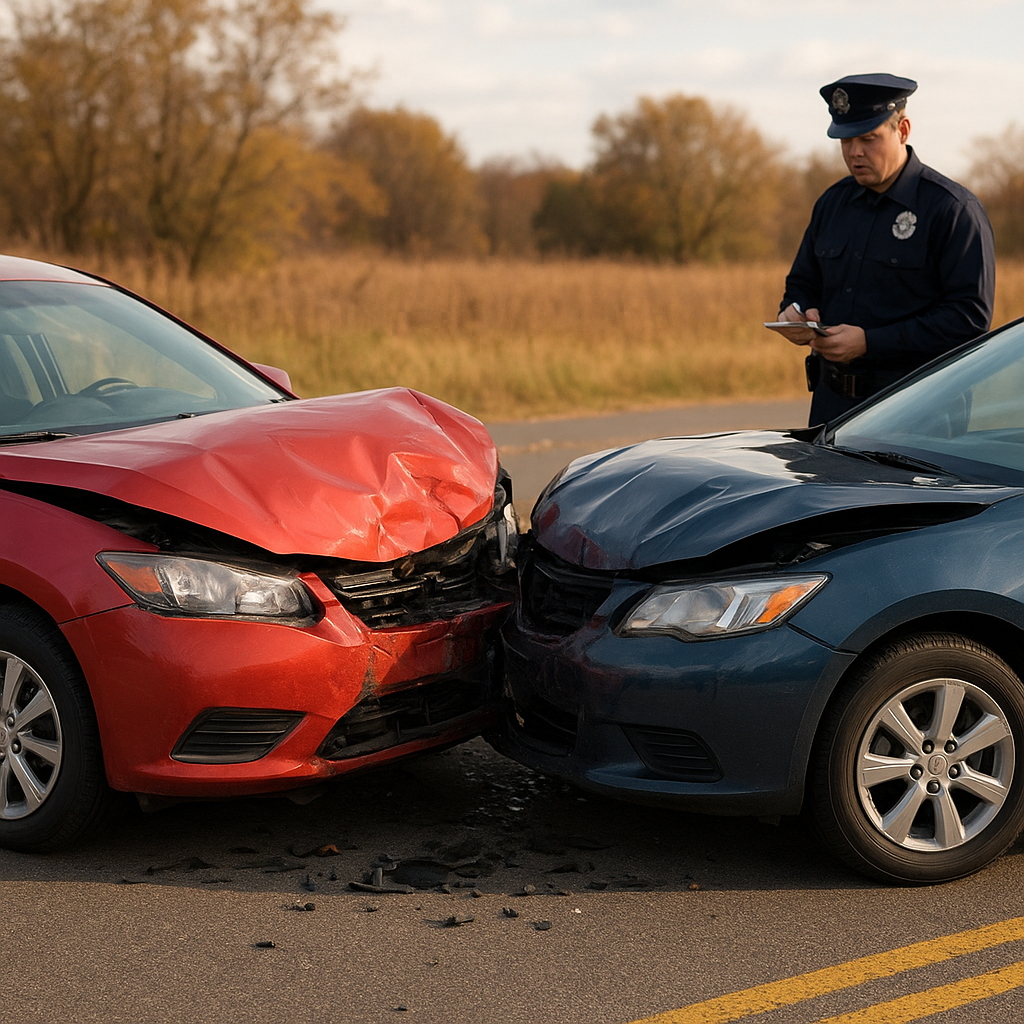
The violent impact of a commercial truck collision creates immediate chaos—twisted metal, deployed airbags, potential injuries, and the overwhelming sensory assault of a traumatic event. In those crucial first minutes and hours, victims face decisions that will fundamentally shape their legal options and financial recovery for years to come. Yet standard knowledge about car accidents—exchanging insurance information, filing claims, dealing with adjusters—proves dangerously inadequate when commercial vehicles are involved. The regulatory frameworks differ completely, the liability structures multiply exponentially, the insurance coverage amounts dwarf typical passenger vehicle policies, and the evidence preservation requirements demand immediate action rather than passive waiting. Understanding these distinctions isn’t merely helpful; it’s essential for anyone seeking fair compensation after suffering injuries or losses in commercial vehicle collisions.
The commercial trucking industry operates under entirely different legal and regulatory regimes than passenger vehicles, creating complexities that overwhelm victims who attempt navigating claims without specialized legal counsel. Insurance companies and trucking corporations exploit this knowledge gap ruthlessly, offering quick settlements that seem generous to injured victims unfamiliar with the true value of their claims or the full extent of available coverage. By the time victims realize they’ve been shortchanged, critical evidence has disappeared, filing deadlines have passed, and legal options have evaporated. Preventing these outcomes requires understanding how commercial vehicle claims differ from ordinary accidents and taking immediate protective actions that preserve legal rights and evidence.
The Regulatory Divide: Why Trucks Aren’t Just Bigger Cars
The Federal Motor Carrier Safety Administration (FMCSA) governs commercial trucking through comprehensive regulations covering driver qualifications, hours of service, vehicle maintenance, cargo securement, and countless other safety-critical aspects of trucking operations. These federal regulations create legal standards that don’t apply to passenger vehicles, simultaneously providing potential liability theories for injured plaintiffs while creating complex compliance questions that require specialized expertise to evaluate. A driver who operates within typical state traffic laws might still violate FMCSA regulations about rest breaks, maintenance documentation, or load securement—violations that establish negligence per se in injury litigation.
The liability web in commercial truck accidents extends far beyond the individual driver who may have caused the collision. Trucking companies face direct liability for their own negligent hiring, training, supervision, and maintenance practices, plus vicarious liability for driver negligence under respondeat superior doctrine. Vehicle manufacturers can be liable for defective components or design flaws that contributed to accidents or exacerbated injuries. Cargo loading companies may bear responsibility when improper loading created weight distribution problems or unsecured cargo that caused loss of vehicle control. Maintenance contractors who serviced vehicles shortly before accidents might face liability if inadequate repairs or inspections allowed dangerous conditions to persist.
This multi-party liability structure creates both opportunities and complexities for injured plaintiffs. Multiple liable parties typically means multiple insurance policies, potentially increasing total available compensation when damages exceed individual policy limits. However, it also creates finger-pointing among defendants as each attempts shifting blame to others, requiring plaintiffs’ attorneys to navigate complex multi-party litigation while pursuing all viable liability theories simultaneously.
The insurance disparity between passenger vehicles and commercial trucks reflects this different liability landscape. State minimum insurance requirements for passenger vehicles typically range from $25,000 to $50,000—amounts that seem laughably inadequate when serious injuries produce medical bills alone exceeding those sums. Federal commercial minimums start at $750,000 for most interstate carriers and can reach $5 million or higher for carriers hauling hazardous materials or operating in specific corridors. These higher policy limits mean that catastrophic injury cases have realistic chances of recovering amounts that actually compensate for lifetime medical needs, lost earning capacity, and other damages that would exceed passenger vehicle coverage by orders of magnitude.
Economic Access to Justice: The Contingency Fee System
Contingency fee arrangements align attorney and client interests in ways that hourly billing cannot, creating genuine partnerships where attorneys only profit when clients receive compensation. This structure provides crucial access to justice for injured victims who couldn’t otherwise afford the substantial upfront costs of litigating complex commercial vehicle cases against well-funded corporate defendants. The typical contingency percentage—33.3% to 40% depending on case complexity and whether settlement occurs before trial—might seem substantial, but it reflects the financial risk attorneys assume and the value they provide through their expertise and resources.
However, contingency fees represent only one component of case economics that clients must understand. Legal fees (attorney compensation) differ from case costs or disbursements—the expenses incurred investigating and litigating cases including filing fees, expert witness fees, deposition costs, medical record retrieval charges, and accident reconstruction expenses. Reputable attorneys advance these costs on behalf of clients, reimbursing themselves from eventual settlements or judgments. In complex commercial vehicle cases, these advanced costs can easily reach tens of thousands of dollars, representing substantial financial commitments that separate serious practices from attorneys who lack resources to properly develop cases.
The “lowball” reality confronting truck accident victims stems from insurance adjusters’ understanding that most victims don’t comprehend the true value of their claims or the full extent of available coverage. Initial settlement offers often arrive quickly—sometimes within days of accidents—framed as generous compensation that victims should accept before legal fees consume portions of potential recovery. These offers almost invariably fall far short of adequate compensation for several reasons: they don’t account for future medical needs or long-term disability, they ignore non-economic damages like pain and suffering, they’re calculated against minimal policy limits rather than actual available coverage, and they’re designed to close claims before victims consult attorneys who would recognize their inadequacy.
Accepting these lowball offers typically requires signing broad releases that waive all future claims against all potentially liable parties, permanently foreclosing legal options regardless of how inadequate the compensation proves over time. Victims who later develop complications, require additional surgeries, or discover that their injuries prevent returning to previous employment have no recourse once they’ve signed releases—they’re bound by the agreements even if the compensation received covers only a fraction of their actual losses.
Evidence Preservation: The Foundation of Maximum Recovery
Police reports provide crucial initial documentation but require careful interpretation to extract maximum value. Narrative sections describe officers’ observations and preliminary conclusions about accident causes, though these narratives reflect only what officers could observe during brief post-accident investigations rather than comprehensive analysis based on all available evidence. Diagrams illustrate vehicle positions, skid marks, debris fields, and other physical evidence, providing visual references that supplement narrative descriptions. Primary factor codes assign preliminary fault determinations, though these codes represent officers’ initial impressions rather than definitive legal conclusions about liability.
Smart attorneys understand that police reports provide starting points rather than complete pictures. Officers typically aren’t trained accident reconstructionists, may not understand FMCSA regulations applicable to commercial vehicles, and frequently accept drivers’ post-accident explanations without independent verification. Thorough investigation often reveals evidence contradicting police report conclusions, requiring expert analysis to establish what actually occurred versus what initial responders believed happened.
Commercial data sources provide extraordinarily valuable evidence unavailable in passenger vehicle accidents. Electronic Control Modules (ECMs)—the “black boxes” in commercial vehicles—record crucial data about vehicle speed, brake application, engine RPM, and other parameters immediately preceding collisions. This objective data eliminates disputes about what drivers claim versus what actually occurred, though accessing ECM data requires immediate action because it can be overwritten or erased if not preserved promptly.
Electronic Logging Devices (ELDs) mandated by FMCSA regulations track drivers’ hours of service, documenting whether they exceeded maximum driving time limits or violated required rest break regulations. This data can establish regulatory violations that constitute negligence per se, shifting burden to defendants to prove that violations didn’t cause or contribute to accidents. Telematics systems tracked by progressive carriers provide even more detailed information about driving behaviors including harsh braking, rapid acceleration, sharp turns, and other metrics that illuminate driver conduct beyond what police reports capture.
Expert testimony from biomechanical engineers, accident reconstructionists, trucking industry specialists, and medical professionals proves essential in complex commercial vehicle cases. These experts analyze physical evidence, review data from ECMs and ELDs, inspect vehicles, and reconstruct accident sequences with scientific precision that establishes causation and refutes defense theories. Their testimony educates juries about technical aspects of trucking operations, injury mechanisms, and regulatory compliance that laypersons couldn’t otherwise understand, translating complex evidence into compelling narratives about what happened and why defendants should be held liable.
Navigating State-Specific Legal Landscapes
Negligence systems vary dramatically across states, creating substantially different compensation outcomes for identical injuries depending on jurisdiction. Pure contributory negligence states bar recovery entirely if plaintiffs bear any fault for accidents—even 1% comparative fault eliminates all compensation regardless of defendants’ greater culpability. Pure comparative negligence states reduce plaintiff recovery by their fault percentage but don’t eliminate compensation entirely—a plaintiff 30% at fault receives 70% of total damages. Modified comparative negligence states impose threshold limits, typically barring recovery if plaintiff fault exceeds 50% or 51% depending on specific state rules.
These variations create substantial practical consequences. A case worth $1 million in a pure comparative fault state might be worthless in a contributory negligence jurisdiction if plaintiff bears even minimal fault. Attorneys practicing in contributory negligence states must develop cases that completely eliminate any suggestion of plaintiff fault—a much higher litigation standard than merely establishing that defendants bore primary responsibility.
Statutes of limitations create absolute deadlines for filing lawsuits, with expired deadlines typically barring claims entirely regardless of their merit. These filing windows vary from one year in states like Louisiana and Tennessee to six years in Maine, creating dramatically different urgency levels depending on where accidents occurred. Victims who delay consulting attorneys until approaching these deadlines sacrifice investigation time and risk missing deadlines entirely if they need additional time gathering necessary evidence or identifying all potentially liable parties.
Certain circumstances can toll or extend statutes of limitations—minority status, mental incapacity, or defendants fraudulently concealing their involvement or relevant facts. However, relying on these exceptions is extraordinarily risky since courts interpret them narrowly and victims who miss deadlines while incorrectly assuming exceptions apply lose their claims entirely.
Rideshare complications introduce additional complexity when Uber or Lyft drivers are involved in accidents. These companies’ insurance coverage varies based on which “period” the driver occupied at accident time: Period 0 (app off, driver’s personal insurance applies), Period 1 (app on but no ride request accepted, limited rideshare coverage), Period 2 (ride request accepted, traveling to pickup, higher coverage), or Period 3 (passenger in vehicle, maximum coverage). Determining which period applied requires investigating app logs and driver conduct immediately before accidents—evidence that can disappear if not preserved promptly.
Critical Mistakes That Destroy Case Value
Social media posts create devastating evidence for defense attorneys who mine plaintiffs’ accounts searching for content contradicting injury claims. Photos showing plaintiffs engaging in physical activities, vacation posts suggesting they’re not suffering claimed limitations, or casual comments about feeling fine despite claiming serious injuries all become exhibit material that undermines credibility and reduces settlement values. The safest approach involves completely avoiding social media posting about accidents, injuries, or activities during pending litigation, though this discipline proves difficult for people accustomed to sharing life events online.
Recorded statements to insurance adjusters create similar dangers. Adjusters frame questions designed to elicit admissions about pre-existing conditions, fault for accidents, or minimization of injury severity—all content that becomes permanently recorded evidence used against claimants later. Standard adjuster questions like “How are you feeling?” seem innocuous but create traps where casual responses like “I’m okay” get played for juries as admissions that injuries weren’t serious despite subsequent medical evidence of substantial trauma.
The “adrenaline trap” refers to victims declining medical evaluation at accident scenes because adrenaline and shock mask pain that manifests hours or days later. This understandable human reaction creates enormous legal problems when defense attorneys argue that delayed medical seeking proves injuries weren’t serious or resulted from other causes rather than the accidents. Jurors intuitively understand that seriously injured people seek immediate medical care, making it difficult to convince them that genuine injuries existed when plaintiffs declined ambulance transport or emergency room evaluation at scenes.
The legal and strategic solution requires immediate medical evaluation regardless of how victims feel at accident scenes. This creates contemporaneous documentation linking injuries to accidents before defense attorneys can argue alternative causation, establishes injury severity through initial medical impressions, and prevents gaps in treatment timelines that defense experts exploit by suggesting intervening causes rather than accident-related trauma.

The Path Forward: Specialized Advocacy and Immediate Action
Commercial truck accident cases demand specialized legal teams with specific expertise in FMCSA regulations, trucking industry practices, commercial vehicle evidence preservation, and the complex multi-party litigation that characterizes these claims. General personal injury attorneys who occasionally handle truck cases lack the institutional knowledge, expert witness relationships, and litigation resources that dedicated trucking practices possess. This specialization matters enormously in settlement negotiations where defense attorneys evaluate plaintiff counsel carefully—experienced trucking defense lawyers settle more generously when facing specialized plaintiff firms whose trial capabilities they respect versus general practitioners whose commercial vehicle inexperience they exploit.
The immediate imperative involves securing legal consultation before crucial evidence disappears or legal deadlines pass. ECM data gets overwritten, ELD logs are erased, physical evidence is disposed of, and witnesses’ memories fade progressively with each passing day. Attorneys cannot preserve evidence they don’t know exists, investigate claims they haven’t been retained to pursue, or file lawsuits before engaging with clients. Every day of delay sacrifices opportunities and creates risks that compromise ultimate case outcomes.
The free case evaluation provides risk-free opportunity to understand legal options, preserve crucial evidence, and prevent the mistakes that destroy case value. Reputable trucking accident attorneys conduct these evaluations without charge or obligation, reviewing accident facts, explaining applicable legal principles, identifying potential liable parties and available insurance coverage, and outlining strategic approaches to maximizing recovery. These consultations create no commitments—clients retain freedom to hire different counsel or handle claims independently—but they provide invaluable education about rights, options, and the critical early-stage actions that preserve maximum legal and financial options.
Commercial truck accident victims face daunting challenges navigating complex legal systems while simultaneously recovering from potentially catastrophic injuries and managing the disruption accidents create in every aspect of their lives. The corporate defendants and insurance companies they face possess enormous resources, sophisticated legal teams, and every incentive to minimize compensation through whatever means necessary. Leveling this playing field requires specialized legal advocacy, immediate evidence preservation, and strategic case development that exploits all available liability theories and insurance coverage. The victims who receive fair compensation aren’t those who passively accept whatever insurance adjusters offer—they’re the ones who recognized that commercial truck cases demand different approaches, engaged specialized counsel immediately, and pursued their claims aggressively through attorneys who understand that maximizing recovery requires expertise, resources, and unwavering commitment to clients’ interests.