Trump’s 10% Credit Card Interest Rate Cap: Political Promise or Economic Pitfall?
Former President Donald Trump has proposed a one-year 10% cap on credit card interest rates, framing it as relief for struggling American families. While politically appealing and aimed at reducing consumer debt, economists warn it could limit credit access, push vulnerable borrowers toward risky alternative lenders, and disrupt the credit market. The proposal has stirred political debate, with some Republicans supporting it and progressive Democrats like Elizabeth Warren criticizing it as a populist stunt. The plan highlights tension between populist economic intervention and traditional free-market principles.
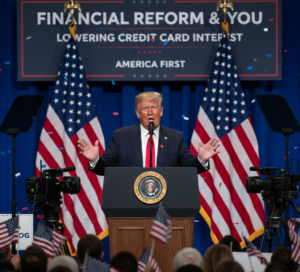
In a move that has sent shockwaves through both political circles and the financial services industry, former President Donald Trump has unveiled a bold proposal to cap credit card interest rates at 10% for one year. The announcement, delivered with characteristic flair during a campaign-style address, positions Trump as a champion of everyday Americans struggling under the weight of consumer debt. However, the proposal has ignited fierce debate about whether this intervention represents genuine relief for struggling families or a populist gesture that could backfire spectacularly, leaving vulnerable consumers worse off than before.
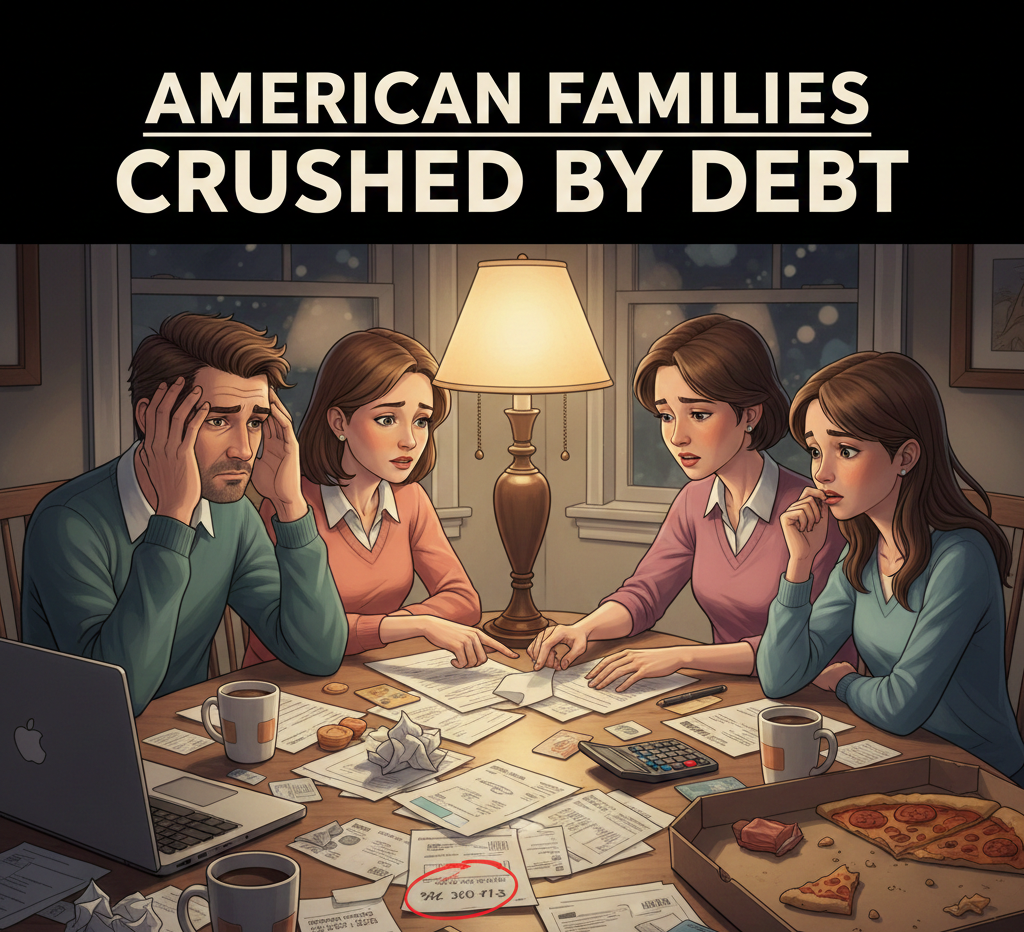
The credit card interest rate debate touches a raw nerve in American households. Millions of families carry revolving balances month after month, watching interest charges accumulate at rates that often exceed 25%. Trump’s proposal taps into widespread frustration with what many perceive as predatory lending practices by major financial institutions. Yet beneath the appealing surface of lower rates lies a complex web of economic consequences that could fundamentally reshape how Americans access credit.
The 10% Interest Rate Cap Announcement
Trump’s proposal centers on a straightforward premise: impose a temporary ceiling of 10% on all credit card interest rates for a one-year period. The announcement came during a speech where Trump framed the measure as essential relief for working Americans who have been “crushed” by high borrowing costs. According to Trump, the cap would provide immediate financial breathing room for households struggling to manage credit card debt, potentially saving families hundreds or even thousands of dollars in annual interest payments.
The primary goal, as articulated by Trump and his advisors, focuses squarely on increasing affordability for the American public. By slashing interest rates from their current levels—which frequently hover between 20% and 30%—the proposal aims to put more money back into consumers’ pockets. Trump argues this increased purchasing power would stimulate economic activity, boost consumer confidence, and demonstrate that government can take decisive action to protect citizens from what he characterizes as exploitation by Wall Street banks.
The announcement deliberately positions Trump as willing to challenge powerful financial interests on behalf of ordinary Americans, a narrative that resonates strongly with his populist base while also appealing to economically stressed voters across the political spectrum.
Trump’s Rationale and Timeline
Central to Trump’s pitch is a scathing critique of the Biden administration’s handling of consumer finance issues. Trump has repeatedly blasted Biden for allowing credit card interest rates to “fester” at punishing levels between 20% and 30% without taking meaningful action to protect consumers. This attack line frames the current administration as either indifferent to family financial struggles or captured by banking industry interests unwilling to challenge the status quo.
Trump’s rhetoric paints a picture of deliberate neglect, suggesting that Biden had both the authority and responsibility to address spiraling credit costs but simply chose not to act. By contrasting his proposed intervention with Biden’s alleged passivity, Trump positions himself as the candidate willing to fight for working families regardless of opposition from entrenched financial powers.
The implementation timeline adds another layer of political calculation to the proposal. Trump has specified that the interest rate cap would take effect on the one-year anniversary of his return to office, assuming he wins the upcoming election. This delayed implementation serves multiple strategic purposes: it transforms the proposal into a campaign promise rather than an immediate policy demand, gives financial institutions time to prepare for the change, and creates a concrete milestone that voters can associate with Trump’s second-term agenda.
The Legislative Landscape
Trump’s proposal doesn’t emerge from a vacuum. Similar ideas for capping credit card interest rates have circulated through Congress for years, most notably championed by progressive Democrats like Senator Bernie Sanders. Sanders has long advocated for strict limits on consumer lending rates, arguing that double-digit interest charges amount to legalized usury that traps vulnerable Americans in cycles of debt. His proposals have typically included provisions extending beyond a single year, with one notable version featuring a nine-year sunset provision designed to permanently reshape consumer lending markets.
These earlier Democratic proposals faced fierce resistance from the financial services industry and market-oriented Republicans who argued that government price controls on credit would produce disastrous unintended consequences. The proposals died in committee, unable to overcome opposition from senators representing states with major banking operations and ideological conservatives opposed to market interference.
What makes Trump’s version particularly interesting is the political realignment it represents. A Republican president adopting what has traditionally been a progressive Democratic policy position creates unusual political dynamics and potential coalition possibilities.
However, not all Democrats have embraced Trump’s sudden conversion to interest rate caps. Senator Elizabeth Warren, a leading progressive voice on consumer financial protection, has dismissed Trump’s proposal as a “joke” and a “fraud.” Warren argues that Trump’s commitment to consumer protection rings hollow given his administration’s previous rollbacks of financial regulations and appointments of industry-friendly regulators to key positions. She suggests the proposal is cynical political theater designed to win votes without genuine intent to follow through on implementation.
Warren’s skepticism reflects broader Democratic concerns that Trump might use the popular proposal to attract economically anxious voters while having no real plan to navigate the legislative challenges or stand up to banking industry lobbying once in office. This intra-party criticism from the left demonstrates how proposals can become political footballs even when superficially aligned with progressive goals.
Predicted Economic Consequences
While the political appeal of lower interest rates is obvious, economists and industry analysts have raised serious concerns about the practical consequences of imposing a 10% cap. The most immediate worry centers on credit accessibility for consumers who already face challenges qualifying for traditional lending products. Credit card issuers price their products based on risk assessment, charging higher rates to borrowers with lower credit scores, limited credit histories, or unstable income patterns.
If government regulation prevents lenders from charging rates commensurate with risk, basic economics suggests they will respond by restricting credit availability to higher-risk consumers entirely. Banks might dramatically tighten underwriting standards, requiring excellent credit scores and verified income before approving applications. Consumers who currently access credit at 25% interest—suboptimal but available—might find themselves completely shut out of traditional banking channels under a strict rate cap regime.
This credit accessibility crunch could hit hardest precisely the consumers Trump claims to help: working families with imperfect credit trying to manage unexpected expenses or bridge temporary income gaps. Without access to credit cards, these households would face difficult choices when confronting financial emergencies.
Even more troubling are potential unintended outcomes that could emerge if traditional credit becomes unavailable to significant portions of the population. Consumer finance experts warn that desperate borrowers don’t simply accept being denied credit—they seek alternative sources, often turning to fringe financial services that operate with less regulation and consumer protection. Payday lenders, title loan operations, and outright loan sharks could experience surging demand from consumers unable to access conventional credit cards.
These alternative lending channels typically charge effective interest rates far exceeding even the highest credit card APRs, often trapping borrowers in predatory debt spirals far worse than credit card balances. The cruel irony would see a policy intended to protect consumers from 25% interest rates instead pushing them toward 300% payday loans or dangerous informal lending arrangements. This phenomenon has played out in other markets where well-intentioned rate caps created credit deserts that fringe lenders eagerly filled.
Political Outlook
Despite Democratic skepticism and economist warnings, Trump’s proposal has found immediate support among certain Republican senators. Josh Hawley of Missouri quickly endorsed the interest rate cap, signaling that populist economic positions have genuine appeal within the GOP coalition. Hawley’s support reflects a broader realignment happening in American politics, where traditional party positions on economic regulation have become increasingly fluid.
The proposal highlights a fundamental divide between populist interventionism and traditional market-driven lending philosophies. Free-market conservatives argue that government price controls inevitably create shortages and distortions, whether applied to rent, wages, or credit. They contend that market competition, not regulatory mandates, should determine appropriate interest rates, with consumers voting with their wallets by choosing lower-rate products when available.
Populists counter that unconstrained markets have failed to protect consumers from exploitation, pointing to decades of rising credit card rates despite low bank borrowing costs. They argue strategic government intervention is necessary to rebalance power between massive financial institutions and individual borrowers.
This philosophical clash will likely determine whether Trump’s proposal gains legislative traction or remains a campaign talking point. With control of Congress uncertain and industry lobbying fierce, the path from announcement to implementation faces formidable obstacles that rhetoric alone cannot overcome.